



Create Systems for New Year’s Goals. Not just resolutions
Many of us start January with a blank calendar, high hopes, and big goals.
Sometimes, before the end of February, we get frustrated. We fall behind schedule. Old habits we’d sworn to leave behind creep back in. And we quit.
This year, rather than relying on motivation, let’s create systems for New Year’s goals that make the next right step easier to take.
Keep in mind that goals can feel different after a divorce, widowhood, an empty nest, or another transition, as routines and identity are already shifting.
Failing to change can leave us disappointed with ourselves, as we don’t follow through with our efforts to change or improve.
So, how can you make 2026 the year you actually follow through and achieve your goals?
The answer isn’t to aim higher or work harder. It’s to build more effective systems that will support you through the inevitable ups and downs of the year.
Let’s start recalibrating your goals for the New Year by focusing on how to create sustainable, compoundable success in small steps.
Establish How
- Get fit.
- Save more money.
- Write a novel.
- Learn Spanish.
- Travel more.
- Spend less time on my phone.
These are the kinds of goals you’ll commonly see on social media this time of year. They’re the “What” that folks are excited to start tackling on January 1st.
What’s missing is the “How,” the daily habits that lead to progress and make it visible.
Goals vs. Systems
I recently finished reading Atomic Habits by James Clear. In the book, he emphasizes focusing less on ambitious goals and more on building systems. Why? Systems represent the daily processes that actually produce outcomes.
If you want your New Year’s goals to stick, focus less on the finish line and more on the daily defaults you can repeat.
Personal finance works the same way. Progress rarely comes from one big decision. It comes from small systems like automatic saving, a spending plan, and a routine for reviewing your numbers.
A core shift is to focus less on goals and more on systems. If your daily system improves, results tend to follow.
Clear frames lasting change as identity-based. Instead of only asking “What do I want to achieve?”, ask “Who do I want to become?” and cast “votes” for that identity through repeated actions. Small wins are evidence that you are the type of person who does the habit.
An Example
Here’s one of the book’s examples of how to build a habit. Say you want to go to the gym. You start by simply getting in your car and driving to the gym. At first, you don’t even need to do anything when you get there. Just drive there and go inside.
After you’ve done that, you can decide to stay for a few minutes and build from there. Starting small and building makes it much easier to start a new habit.
You can apply this “systems thinking” to just about any goal:
- Set a daily word goal for writing your novel. At the beginning, aim for just a sentence or a paragraph.
- Make automatic contributions to savings and retirement accounts every month. Pay Yourself First!
- Block time every day to run through Spanish flashcards. Start small and build from there.
- Set your alarm earlier so you can implement a mindfulness or wellness plan before you start your day. Again, you can start with just a few minutes and build from there.
One tiny change rarely transforms your life. Many small changes, stacked, eventually do. The long game is a commitment to sustainable, repeated improvements.
Fall Back to Move Forward
What happens when it’s rainy and you don’t feel like getting off the couch?
Or when you splurged on a gadget you don’t really need and threw off your budget for the month?
Or when you’re sitting before your blank canvas and inspiration is hard to come by?
Knowing what your goals are doesn’t really help much when you’re struggling to break through these kinds of barriers.
When you create systems for New Year’s goals, you give yourself something dependable to return to on the hard days. With a system to fall back on, you can:
- Solve “The Happiness Delay“: The distance between where you are and where you want to be can often seem enormous. Systems create progress in the moment, not just when you reach your goal. In other words, the “happiness delay” is essentially an internal contract saying, “I’ll postpone feeling content, proud, or at home in my life until I meet a future condition.”
- Avoid “The Yo-Yo Effect”: Folks who achieve short-term goals often celebrate with a wild swing back to their original habits. This type of rebound effect can apply to dieting, money, habits, writing, etc. Systems keep you focused on the next step.
- Overcome Lapses in Willpower: No, you’re not going to feel like exercising every day you’ve planned to exercise. And yes, that new phone upgrade you don’t need will be tempting. Importantly, systems make it harder to drift, thereby reducing the risk of failure. When you wake up and see your workout clothes already laid out for you, you’ll hit the ground running. If you make auto deposits into your savings account as soon as your paycheck hits, you won’t have the option to splurge.
Don’t Miss Twice
In the book, Clear also reminds us that no matter how consistent we are, life will inevitably interrupt us. Perfection is not possible. At some point, an emergency will arise. For example, you get sick, travel for work, or your family needs a little more of your time.
Whenever this happens to Clear, he reminds himself of a simple rule: never miss twice. In other words, if you miss a day, get back into it as quickly as possible. We can’t be perfect, but we can avoid a second lapse. When one streak ends, get started on a new one. In short, missing once can be an accident. Missing twice runs the risk of becoming the new pattern.
Personalize Your Goals and Your Plan
One common reason that New Year’s resolutions fail is that they’re not personal enough. We see what other folks are doing and think, “That sounds like fun, I’ll try that too.”
But following the crowd rarely leads to happiness. The more personal your goals are, the more motivated you’ll feel to achieve them.
FAQs
What does it mean to “create systems for New Year’s goals”?
A goal is a destination. A system is the repeatable set of actions that gets you there. When you create systems for New Year’s goals, you focus on what you can do daily or weekly, not just what you hope will be true by year-end.
How is a system different from a habit?
A habit is one repeated behavior. A system is the structure around it, calendar, reminders, environment, and defaults. The system makes it easier to start and repeat a new habit when motivation fades.
What should I do when I fall off track?
Plan for lapses. They’re normal. Use a “never miss twice” mindset, reset quickly, then return to the smallest version of the habit so you regain traction without needing willpower.
What are a few financial systems that make a big difference?
Start with automation and visibility. Automatic saving and retirement contributions, a spending plan you can live with, and a brief weekly money check-in often do more than one big decision. Small systems that are repeated tend to compound.
Final Thoughts
The above guidelines can help you establish new habits. Align how you use your Time, Energy, Attention, and Money (TEAM) with what matters most, and identify small habits to improve your life when you face a new beginning.
Our Life-Centered Planning process can help you create a personalized system that better aligns how you use your money with your values.
If you want to adjust your goals or new habits as you start the New Year, schedule a call, and let’s plan how to make the next chapter of your life more fulfilling. A brief check-in can make 2026 feel much more intentional.
Not ready for a conversation? Subscribe to receive our weekly insights in your inbox.
With that systems-first lens in mind, here are five reads I found especially useful this week.
This Week’s Favorite Reads:
This week’s reads cover simple living, healthy habits, gray divorce, money and meaning, and key estate-planning documents for young adults.
The Quest of the Simple Life.
In this excerpt from Morgan Housel’s The Art of Spending Money, he suggests that building wealth is easier than knowing what to do with it. A LASIK anecdote shows how we can chase a visible change and still feel let down when it doesn’t deliver love or respect. Housel argues money is an art, driven by psychology, identity, and social pressure, not just math.
Quoting William Dawson’s 1907 The Quest of the Simple Life, he warns that the pursuit of “more” can become a quiet dictator, until money owns you. The aim is a deliberately chosen life where money serves you, whether simple or extravagant. When asked for a money book, I usually recommend The Psychology of Money, which I wrote about in a past post. I recently finished The Art of Spending Money, which will join The Psychology of Money on my list of top book recommendations on personal finance, and I plan to share more in a future blog post. It’s a helpful reminder that money decisions are often about identity and expectations, which is why systems matter.
Using “atomic habits” to reach your health goals.
This special end-of-year edition of The Drive newsletter shows how James Clear’s “atomic habits” can turn health goals into a repeatable system. The authors walk through the four laws of behavior change. Make it obvious, attractive, easy, and satisfying. Then they apply each law to practical health examples from 2024 episodes, like leaving toe spacers where you will see them, placing weights near a morning routine trigger, finding a friend or group to make training more enjoyable, and using the two-minute rule to lower friction when starting. They also stress making it as simple as possible to maintain your fitness routine while traveling by planning workouts in advance and packing simple equipment. To sustain momentum, they recommend tracking progress or choosing rewards that reinforce the goal. Finally, they reverse the four laws to break bad habits, using alcohol reduction and liver health as a clear example.
Gray Divorce After 50: Managing the Shift to Your Solo ‘Second Act’.
Gray divorce, the end of a long marriage after age 50, is rising, driven by longer life expectancy, less stigma, and shifting priorities. It can upend finances, homes, retirement plans, Social Security, and health coverage, while also reshaping family routines and friendships. Women often take a bigger financial hit, while men may struggle more with loneliness and a reduced support system. Adult children can experience grief and divided loyalties. The article frames gray divorce as both an ending and a reset, one that can spark self-discovery and a purposeful second act when paired with careful planning and support. For a new beginning after divorce, you can download Apprise’s free Divorce Preparation Guide (DPG) here. You can also learn more about divorce financial planning for women here. Our DPG can help you get organized and move forward.
25 Lessons on Money and Meaning.
Jacob Schroeder distills 25 lessons on the relationship between money and meaning, arguing that money matters most when it supports a well-lived life rather than serving as a goal in itself. He emphasizes value-aligned spending. Item 10 urges you to spend freely on what fits your personality and cut relentlessly what does not. Item 12 reinforces that money is a shaky stand-in for purpose. It is better used to support what already gives your life meaning. Item 22 adds a life-planning gut check: ask, “Is this the last time?” to prioritize people, presence, and experiences over default frugality or distraction. The throughline fits Apprise’s approach: use money intentionally to protect what matters most and to design your next chapter.
Estate planning helps ‘forestall bad outcomes,’ author says — you need some key documents even at age 18.
Beth Pinsker, CFP and author of My Mother’s Money, argues that basic estate planning can help “forestall bad outcomes,” even if you are not wealthy. She shares how a power of attorney failed to help until it was properly put on file with the bank, leading to costly complications. The article notes that many people procrastinate about wills but stresses that, starting at age 18, everyone should have a health-care proxy and a financial power of attorney, plus a HIPAA authorization and, often, a living will. We can easily forget the importance of this practice when a child turns 18. If something happens, parents generally cannot get medical updates or make decisions without their adult child’s written authorization.
Our practice continues to grow through introductions from our clients and friends. Thank you for your trust.
If you would like to discuss financial topics, including navigating new beginnings, managing your investments, creating a life plan, or saving for retirement, please schedule a call or a Zoom virtual meeting. We will be in touch.
Follow us:
Facebook | LinkedIn | Instagram | YouTube
Please note: We post information about articles that can help you make better money-related decisions on Facebook, LinkedIn, Instagram, and YouTube.

For firm disclosures, see here: https://apprisewealth.com/disclosures/

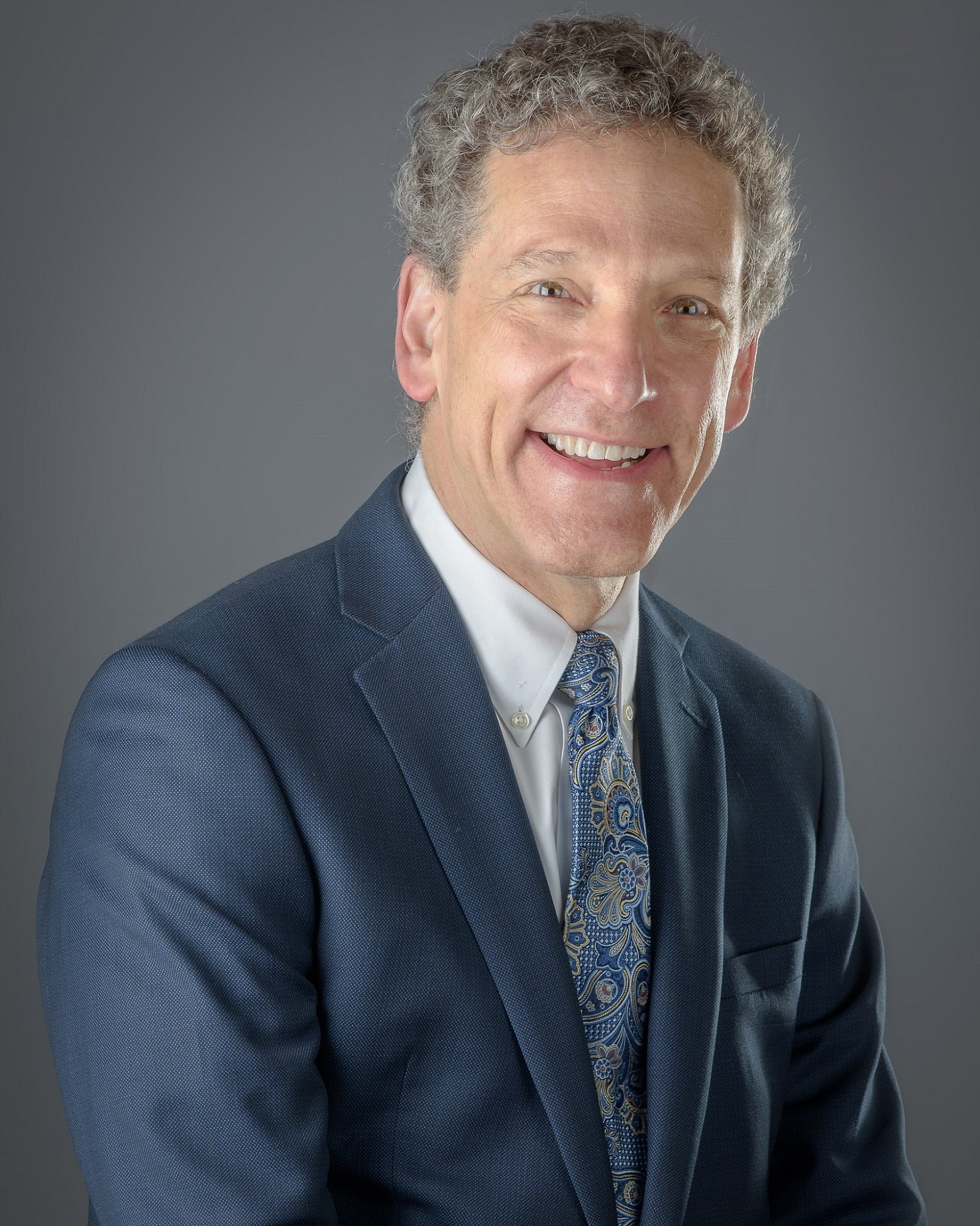
Phil Weiss founded Apprise Wealth Management, where he works with women facing new beginnings. He started his financial services career in 1987 working as a tax professional for Deloitte & Touche. For the past 25 years, he has worked extensively in the areas of personal finance and investment management. Phil is a CFA charterholder, a CPA, and an RLP®.